
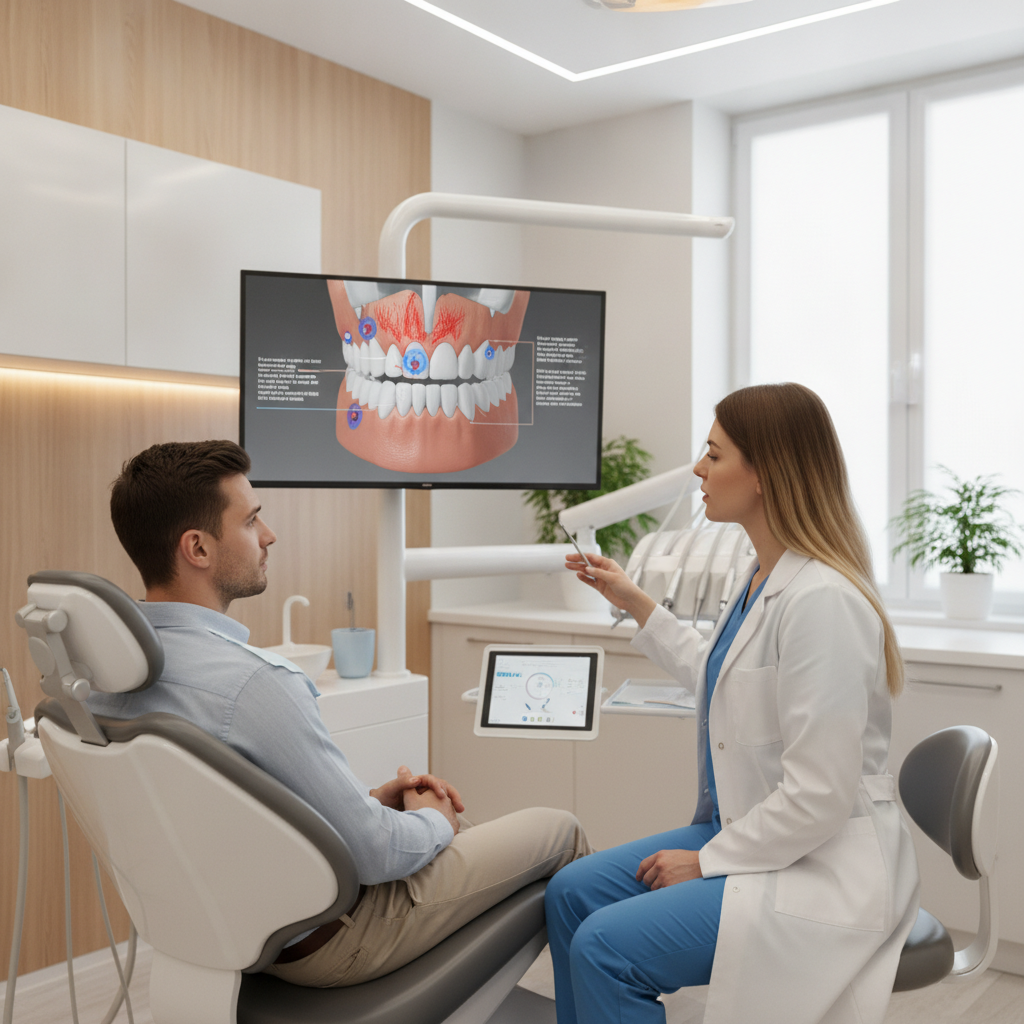
You bite into toast and wince, and that flash of mouth and gum pain lingers for the rest of the morning. Or maybe it’s a dull throb along your gums every evening that you keep telling yourself will pass. It’s easy to put off, but it’s your body’s way of saying something needs attention, and the sooner you know why, the easier it usually is to fix.
This guide walks through the common causes of mouth and gum pain, the signs worth watching and the treatments that bring relief, from simple home care to advanced options at Eggleston Dental Care in Turlock, CA.
What Usually Causes Mouth and Gum Pain
Mouth and gum pain can come from something as small as a scratch from a tortilla chip or from a problem that has been building quietly for months. Finding the real cause is what points you to the right treatment, so it’s worth paying attention to where it hurts, when it hurts and what makes it worse.
Gingivitis and Periodontal Disease
Gingivitis is the earliest stage of gum disease. Your gums may look puffy and red, and you might see pink in the sink when you brush or floss. It’s easy to ignore because it often doesn’t hurt much at first.
Left alone, gingivitis can turn into periodontal disease, which damages the tissue and bone that hold your teeth in place and can eventually lead to tooth loss. Regular checkups and a solid home routine catch it early, before it gets that far.
When a Dental Abscess or Infection Is the Cause
An infection in a tooth or in the gum can form an abscess, a pocket of pus that causes intense, throbbing pain and swelling. Some people notice a bad taste, a small bump on the gum or pain that keeps them up at night.
An abscess needs professional care right away. The infection won’t clear on its own, and treating it quickly relieves the pain and keeps it from spreading.
Oral Trauma and Soft-Tissue Injuries
Biting your cheek, scraping your gum with a toothbrush or catching your lip on a sharp chip can all leave your mouth sore. These injuries to the soft tissue can bruise, sting or feel like a burn for a few days, especially when you eat something salty or acidic.
Dental Conditions Like Cavities and Misalignment
A cavity can cause toothache-style pain that spreads into the surrounding gum. Teeth that are crowded, tilted or meeting unevenly can also put extra pressure on your gums and jaw, which shows up as soreness after meals or tightness when you wake up.
Mouth and Gum Pain Symptoms to Watch For
Knowing the warning signs helps you act before a small problem turns into a big one. Pay attention to:
-
Persistent bad breath or a foul taste in the mouth
-
Swollen, tender, or bleeding gums
-
Sensitivity to hot, cold, or sweet foods
-
Loose or shifting teeth
-
Pain when chewing or biting
If you notice any of these, or if the pain lasts more than a few days, call a dentist. Waiting tends to make treatment bigger, not smaller.
Non-Surgical Treatments That Ease Mouth and Gum Pain
Many cases of mouth and gum pain improve with simple care at home or a professional cleaning, so surgery is often not the first step.
Home Remedies and Over-the-Counter Solutions
Mild soreness can often be eased with over-the-counter pain relievers and anti-inflammatory medication, used as the label directs. A warm salt water rinse, about half a teaspoon of salt in a glass of warm water, can calm irritated gums and help keep the area clean.
Home care is a short-term fix, though. If the pain keeps coming back, that’s a sign the cause needs to be found and treated.
When You Need Professional Cleaning and Scaling
When gum pain comes from plaque and tartar buildup, a professional cleaning makes a real difference. Scaling and root planing go below the gum line to remove tartar and bacteria, which lets inflamed gums settle down and start to heal.
Advanced Treatments for Damaged or Missing Teeth
Sometimes mouth and gum pain is tied to teeth that are badly damaged, failing or already missing. In those cases, cleaning alone won’t solve it, and a restoration may be the long-term answer.
Implant Dentistry Solutions
For more complex problems, dental implants can replace teeth that can’t be saved. Eggleston Dental Care offers options like All-on-X Smile in a Day, single implants, and implant bridges, using 3D imaging to plan where each implant goes and building a care plan around your mouth.
All-on-X and Full-Mouth Reconstruction
All-on-X treatment replaces a full arch of teeth for patients who need extensive work. In many cases, patients leave with teeth they can use the same day. You can read more about the benefits of full-mouth reconstructions and whether it might fit your situation.
For someone who has been living with sore, failing teeth for years, this can mean eating a full meal without planning around the pain.
Gum Pain Relief Tips for Every Day
Daily Oral Hygiene Tips That Ease Sore Gums
Good daily habits prevent gum disease and reduce pain. Brush twice a day for two minutes, floss once a day, and use an antibacterial mouthwash if your dentist recommends one.
Be gentle. Scrubbing hard doesn’t clean better, and it can make sore gums worse. Angle the brush toward the gum line and use small circles.
Diet and Lifestyle Adjustments
What you eat and how you live affect your mouth. Cutting back on sugary snacks and drinks, drinking more water, and switching to a soft-bristled toothbrush can all reduce irritation. If you smoke, quitting helps your gums heal and lowers your risk of gum disease.
Choosing the Right Dental Practice for Mouth and Gum Pain
Personalized Treatment Planning
Look for a practice that takes the time to find out why you’re hurting, not one that offers the same fix to everyone. At Eggleston Dental Care, every visit starts with an evaluation of your teeth and gums so the plan fits what’s actually going on.
Why Patients Choose Eggleston Dental Care
Eggleston Dental Care brings over 30 years of experience, 3D imaging, and options like IV sedation for patients who feel anxious. The team at Eggleston Dental Care explains what they see and what your choices are, so you can decide with confidence.
FAQs About Mouth and Gum Pain
Can gum disease be reversed?
Yes, in the early stage. Gingivitis can be reversed with a professional cleaning and good daily care at home. More advanced gum disease can be managed, but the damage it has done can’t be undone, which is why catching it early matters.
What home remedy can I try?
A warm salt water rinse and careful brushing and flossing can ease minor gum soreness. If pain lasts more than a few days, see a dentist.
How long does recovery take after treatments?
It depends on the treatment. Many patients feel noticeable relief soon after a cleaning or infection treatment, while procedures like implants take longer to heal fully.
Are implants covered by insurance?
Coverage depends on your provider and plan. Check your benefits, or ask about insurance and financing during your consultation so you know your options.
When should I see a dentist for gum pain?
Book a visit if you have pain that lasts, swelling, or signs of infection like a bad taste, fever, or a bump on the gum. Don’t wait for it to get worse.
Relief Is Closer Than You Think
Living with a sore mouth wears you down. You eat around it, you chew on one side, and you stop enjoying meals. Getting help early can bring back comfort and make everyday life easier again.
Eggleston Dental Care in Turlock, CA, is here with caring, effective treatment built around you. Schedule a consultation, and let’s find the cause of your mouth and gum pain and the right way to treat it.