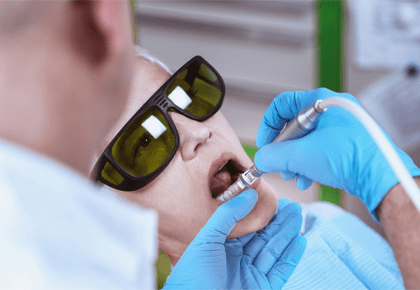
Have you ever wondered about the pros and cons of laser cavity treatment? This modern approach offers a less invasive alternative to traditional drilling, and at Eggleston Dental Care in Turlock, CA, we use advanced laser technology to make treating decay more precise and more comfortable. Like any dental technology, though, it comes with its own set of considerations worth understanding before your appointment.
What Are the Benefits of Laser Treatment for Cavities?
One of the biggest advantages of laser dentistry is reduced pain and discomfort compared to traditional drilling. Laser technology can target decayed areas with precision, often minimizing the need for anesthesia and reducing the vibration and noise that make many patients anxious about dental visits. Recovery also tends to be quicker, since laser procedures are less invasive and typically come with fewer post-treatment complications like swelling or soreness.
Laser dentistry offers several additional benefits beyond comfort: greater precision, reduced bleeding, a lower risk of infection, shorter treatment times, and in many cases, no need for sutures. You can learn more about how our team uses this technology across different procedures on our laser dentistry page.
How Does Laser Treatment Compare to Traditional Drilling?
Laser treatment offers a minimally invasive alternative to the conventional drill-and-fill approach. Traditional methods often require anesthesia and can occasionally cause micro-fractures in the surrounding tooth structure, while laser technology targets the affected area precisely, helping preserve more of your healthy tooth. Lasers also have a sterilizing effect on the treated area, which can help lower the risk of bacterial infection and support faster healing. Traditional methods remain effective and are still the right choice for many cases, but the added precision and comfort of laser treatment make it an increasingly popular option for patients and dentists alike.
Is Laser Cavity Treatment More Time-Efficient?
Laser treatments can often streamline the appointment itself. Traditional methods sometimes require more extensive preparation, while laser technology’s precision allows for quicker, more targeted treatment, meaning less time in the chair for many patients. That same precision can also reduce the need for follow-up visits, since the treated area is addressed accurately the first time.
Are There Downsides or Side Effects to Consider?
Laser cavity treatment is generally considered safe and effective, but it isn’t without its own set of considerations. Some patients experience temporary sensitivity in the treated area, which can cause brief discomfort with hot or cold foods and drinks. There’s also a small risk of soft tissue irritation if the laser isn’t precisely controlled, which is why experience and training matter. Laser treatment may not be well-suited for every cavity, particularly those that are especially deep or in hard-to-reach areas of the mouth. As with any procedure, a conversation with your dentist is the best way to determine whether it’s the right fit for your specific case.
Cost is another factor worth weighing. Laser treatments can sometimes cost more than traditional methods because of the specialized equipment involved, though many patients find the reduced discomfort and quicker recovery worth the difference. Not all insurance plans cover laser treatments equally, so it’s worth confirming your coverage ahead of time.
Am I a Candidate for Laser Cavity Treatment?
Patients with small to medium-sized cavities are generally the best candidates for laser treatment. It’s a particularly appealing option for anyone who experiences dental anxiety, since it’s less invasive and often eliminates the need for anesthesia altogether. Larger cavities or cases requiring more extensive restorative work may call for a different approach. The best way to know for sure is a conversation with our team, who can evaluate your specific needs and recommend the right treatment plan.
What Should I Expect for Recovery and Long-Term Results?
Because laser treatment is precise and minimally disruptive to surrounding tissue, most patients experience less post-procedure discomfort and swelling, and return to their normal routine sooner than they would after traditional drilling. Over the long term, the precision of laser treatment can support better preservation of healthy tooth structure, which may help lower the likelihood of future complications in the treated tooth.
How Is Laser Technology Used to Catch Cavities Early?
Laser technology isn’t just useful for treating cavities, it’s also a powerful tool for catching them early. At Eggleston Dental Care, our lasers can detect subtle changes in tooth density that indicate the earliest stages of decay, often before it would be visible through a traditional exam alone. Catching a cavity at this stage generally means a smaller, more conservative treatment is needed, which is part of why we build laser technology into both diagnosis and treatment whenever it’s the right fit for a patient’s case.
Frequently Asked Questions
Is laser cavity treatment painful? Most patients report less discomfort than with traditional drilling, since lasers target decayed areas precisely and often reduce or eliminate the need for anesthesia.
How long does recovery take after laser cavity treatment? Recovery is typically quicker than with traditional methods, since the procedure is less invasive and causes less irritation to surrounding tissue.
Is laser treatment more expensive than traditional fillings? It can be, due to the specialized equipment involved, though many patients feel the added comfort and faster recovery are worth the difference. Coverage varies by insurance plan.
Am I a good candidate for laser cavity treatment? Patients with small to medium-sized cavities are generally strong candidates, especially those who experience dental anxiety. Larger or more complex cavities may require a different approach.
Are there any side effects of laser cavity treatment? Some patients experience temporary sensitivity to hot or cold in the treated area. Serious complications are rare when the procedure is performed by an experienced provider.
Is laser dentistry available for procedures other than cavities? Yes. At Eggleston Dental Care, we also use laser technology for gum reshaping and to enhance teeth whitening results, in addition to cavity detection and treatment.
Ready to Learn if Laser Treatment Is Right for You?
Considering the pros and cons of laser treatment for cavities can help you make an informed decision about your care. Schedule a consultation with Eggleston Dental Care in Turlock, CA, or call (209) 980-0292 to find out if laser dentistry is right for you.